
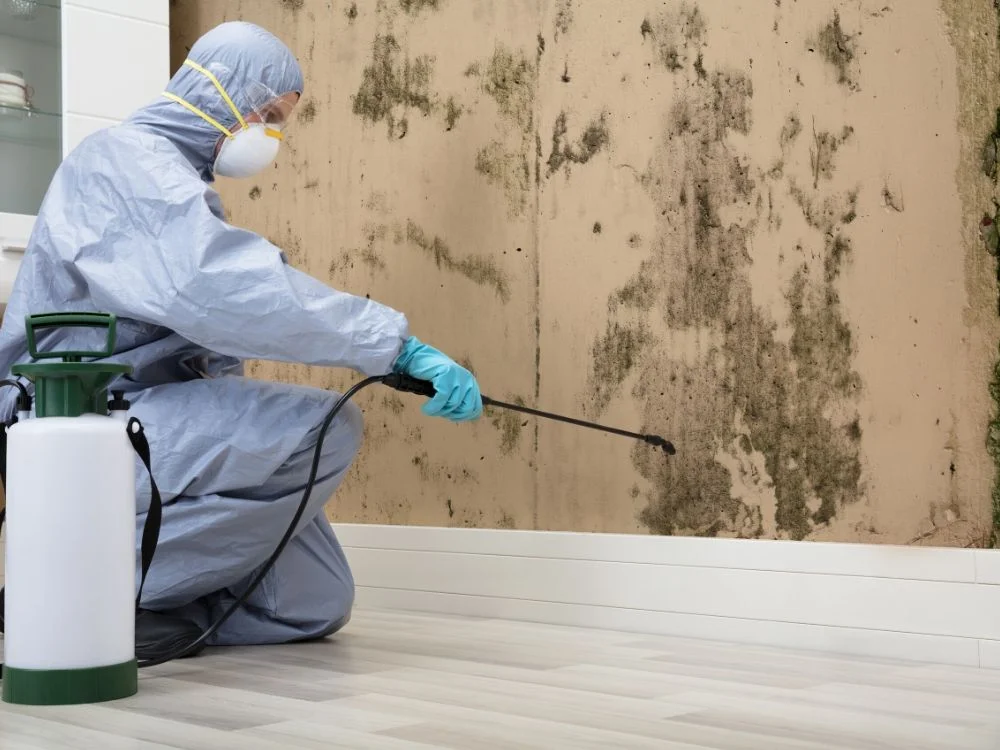
Make the moisture repair explicit
Write down the suspected source and who will investigate or repair it. A mould-treatment scope should not leave an active roof or plumbing leak as an unassigned task. Clarify whether drying and further material assessment need to follow the repair before the room is redecorated.
Identify the source before repeating treatment
Discuss the pattern, affected materials and any history of flooding, plumbing leaks or condensation. Source repairs may require a separate licensed trade. Repeated product applications cannot compensate for an unresolved water entry point.
Check that affected materials are addressed
Some sound surfaces may be cleaned while damaged or deeply affected porous materials need another decision. Clarify the scope and what happens if concealed damage is found. Do not equate repainting with a complete remediation process.
Build a follow-up plan
Keep a record of the original areas and agreed repairs. Review the property after wet weather or normal room use and note any recurrence. Ongoing inspection and suitable ventilation help detect a change before another widespread problem develops.
Planning the next step in Sydney
For a Sydney enquiry, include the suburb, affected rooms and any recent water event. A house, apartment and shared building can have different access arrangements. Explain those details before a visit so the proposed assessment addresses the relevant surfaces and any restrictions.
Discuss your Sydney property
Tell us your suburb, the affected materials and whether there has been water damage. We can discuss an appropriate next step for building-related mould concerns.
Mould inspection · Mould cleaning · Mould remediation
Discuss your property ↗