
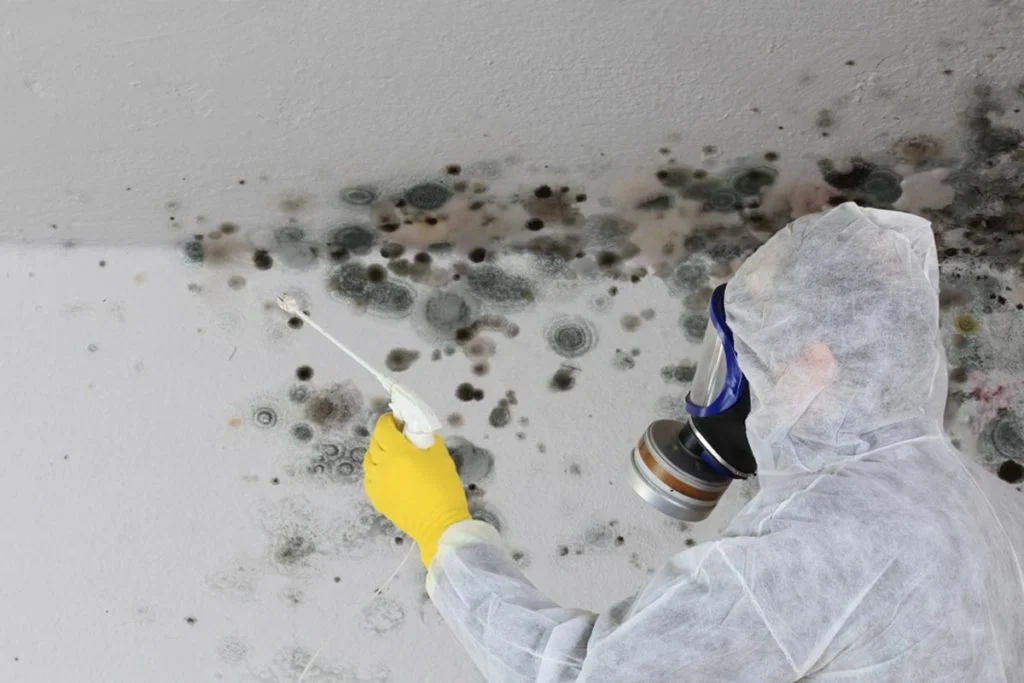
Use the full sequence to plan the job
Start with the extent and moisture history, then establish which materials need treatment and what source repairs are required. Agree preparation and access before work, and keep records for follow-up. This sequence helps connect an inspection, cleaning visit and any separate building repair instead of treating them as unrelated jobs.
Use follow-up to check the conditions
Keep a record of the completed scope and look for a return of dampness after rain or normal use. A clean appearance is useful, but the condition that enabled growth needs attention too. Report recurring marks rather than simply covering them.
Start with the affected area and its history
Record the rooms, materials and timing of the problem. Photos, previous leaks and details of earlier cleaning can help explain what has changed. Do not disturb hidden materials merely to gather evidence for an initial enquiry.
Choose assessment before assuming a method
Cleaning a small accessible surface, investigating an odour and managing widespread water damage are different tasks. An inspection can help define what is known and what requires another building or moisture investigation.
Planning the next step in Sydney
Tell the Sydney team whether you own, manage or occupy the affected property and which spaces can be accessed. Share the condition of nearby walls and storage areas where relevant. Contents-care work may need a specialist cleaner separately from a building mould assessment.
Discuss your Sydney property
Tell us your suburb, the affected materials and whether there has been water damage. We can discuss an appropriate next step for building-related mould concerns.
Mould inspection · Mould cleaning · Mould remediation
Discuss your property ↗