
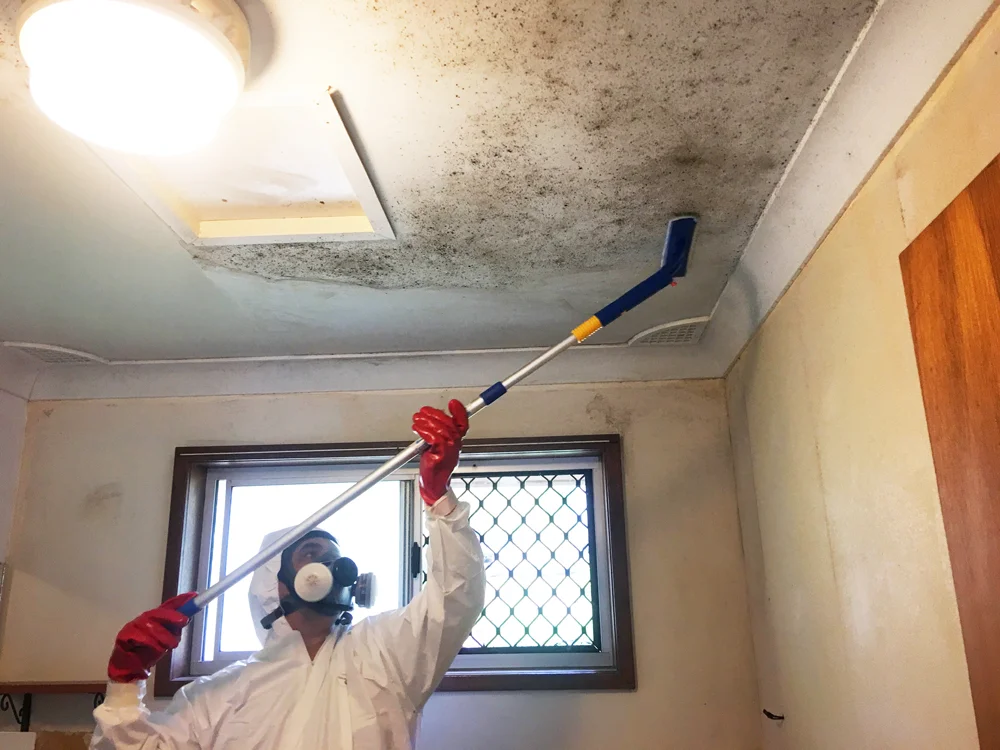
Plan for the period after cleaning
Ask how the shower should be prepared, used and dried after the agreed treatment. Check whether repair or resealing needs to happen first and whether any products require particular re-entry instructions. An aftercare plan should relate to the actual surfaces rather than a generic claim of an indefinitely lasting result.
Make drying part of the routine
Remove standing water where practical and allow extraction to run as needed to dry the room. Keep products and stored objects from trapping moisture against affected corners. Inspect repaired joints as well as the places that were visibly stained.
Recognise when treatment is incomplete
A lighter stain does not show whether dampness remains behind the joint. Recurring marks, soft adjacent walls or failed sealant are reasons to discuss assessment. Photograph the same junction before and after work to track what changed.
Separate tiles, grout and silicone
A shower has several materials, not one uniform washable surface. Marks on glazed tile may be handled differently from discolouration embedded in porous grout or silicone. Deteriorated sealant can require replacement after the underlying condition has been assessed.
Planning the next step in Sydney
In a Sydney property, a leak and a cold damp corner may need different investigations even when the visible marks look similar. Keep dated photographs and explain when the issue changes. Local treatment planning should be based on those observations, not a suburb name alone.
Discuss your Sydney property
Tell us your suburb, the affected materials and whether there has been water damage. We can discuss an appropriate next step for building-related mould concerns.
Mould inspection · Mould cleaning · Mould remediation
Discuss your property ↗