
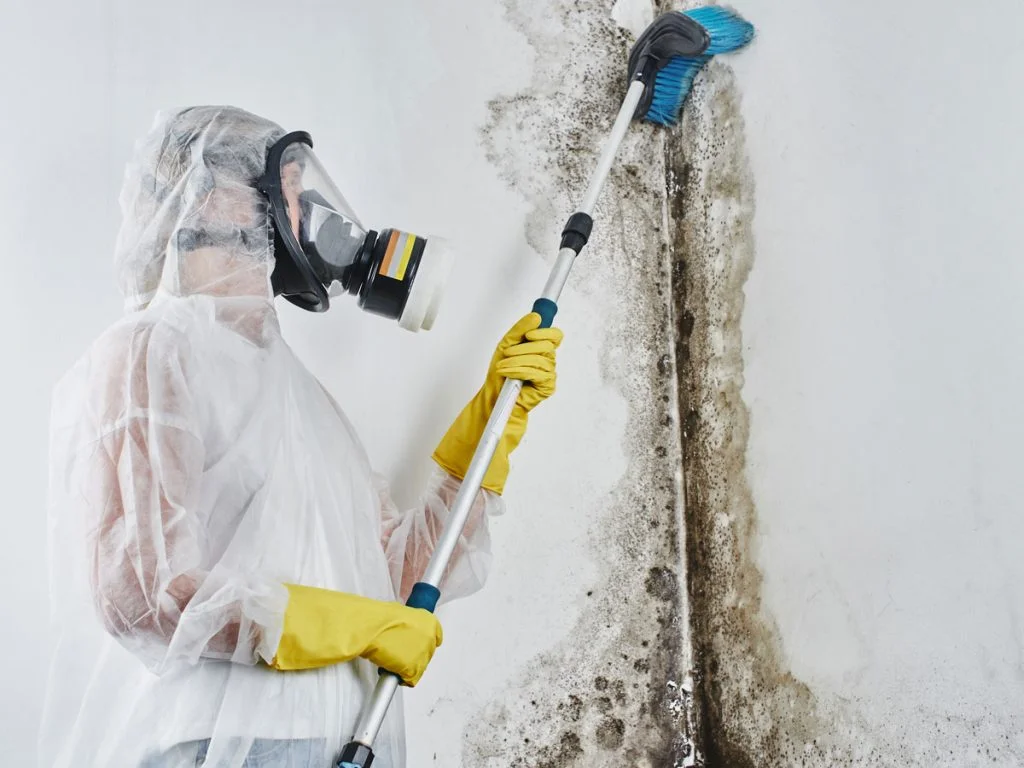
Compare the result after normal use
A room that looks clean immediately after treatment may show its drying problem only after several showers. Record how long the main surfaces remain wet and whether the same corners are affected. Those observations can support discussion of extraction, a leak or a more targeted assessment.
Match cleaning to each material
Tile, painted board, grout, silicone and vanity cabinetry need different compatibility checks. Read the relevant care instructions and keep products separate. Deterioration, softness or swelling can change a cleaning task into a repair or replacement decision.
Look beyond the main shower wall
Inspect accessible vanity edges, cupboard interiors, window reveals and the rear of stored items without disturbing concealed materials. These areas can be missed when attention is limited to the most obvious shower stain.
Agree the practical next step
Provide photographs, room size and any leak history when discussing a quote. Explain whether the property is occupied and what access is available. Ask which surfaces are included and whether repairs must be completed before treatment.
Planning the next step in Sydney
When discussing the issue in Sydney, provide a short history rather than only the latest photograph. Note earlier treatment, source repairs and whether the problem returned in the same place. This helps distinguish a new moisture event from an unresolved condition.
Discuss your Sydney property
Tell us your suburb, the affected materials and whether there has been water damage. We can discuss an appropriate next step for building-related mould concerns.
Mould inspection · Mould cleaning · Mould remediation
Discuss your property ↗