
Know when cleaning reaches its limit
If approved maintenance leaves a persistent odour, trapped water or a visibly damaged seal, ask the manufacturer or technician about inspection. Explain what products and cycles were already used. Repeatedly increasing cleaner strength may damage the component while leaving a drainage or seal problem unresolved.
Do not combine cleaning agents
Check the product label and do not mix chlorine-based products with vinegar, acids, ammonia or other cleaners. Avoid adding household chemicals to a maintenance cycle unless the machine and product instructions explicitly allow it.
Review the room around the machine
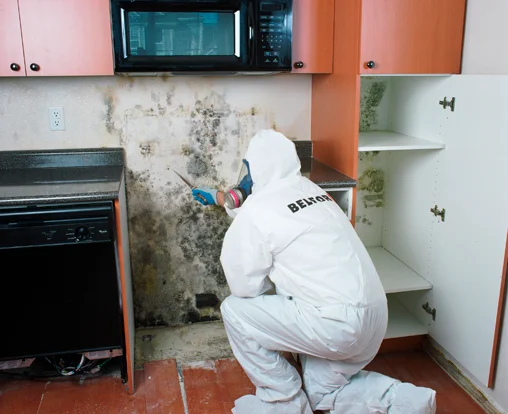
Damp cabinetry, wall marks and a musty laundry may extend beyond the appliance. Record the problem before treatment and check for plumbing leaks or poor extraction. An appliance technician and a building mould assessment answer different questions.
Discuss a persistent seal problem
If a seal is cracked, retains odour after approved care or appears affected within inaccessible folds, ask the manufacturer or repairer whether replacement is needed. Repeated stronger treatments can obscure a mechanical or material problem.
Planning the next step in Sydney
In a Sydney property, a leak and a cold damp corner may need different investigations even when the visible marks look similar. Keep dated photographs and explain when the issue changes. Local treatment planning should be based on those observations, not a suburb name alone.
Discuss your Sydney property
Tell us your suburb, the affected materials and whether there has been water damage. We can discuss an appropriate next step for building-related mould concerns.
Mould inspection · Mould cleaning · Mould remediation
Discuss your property ↗