
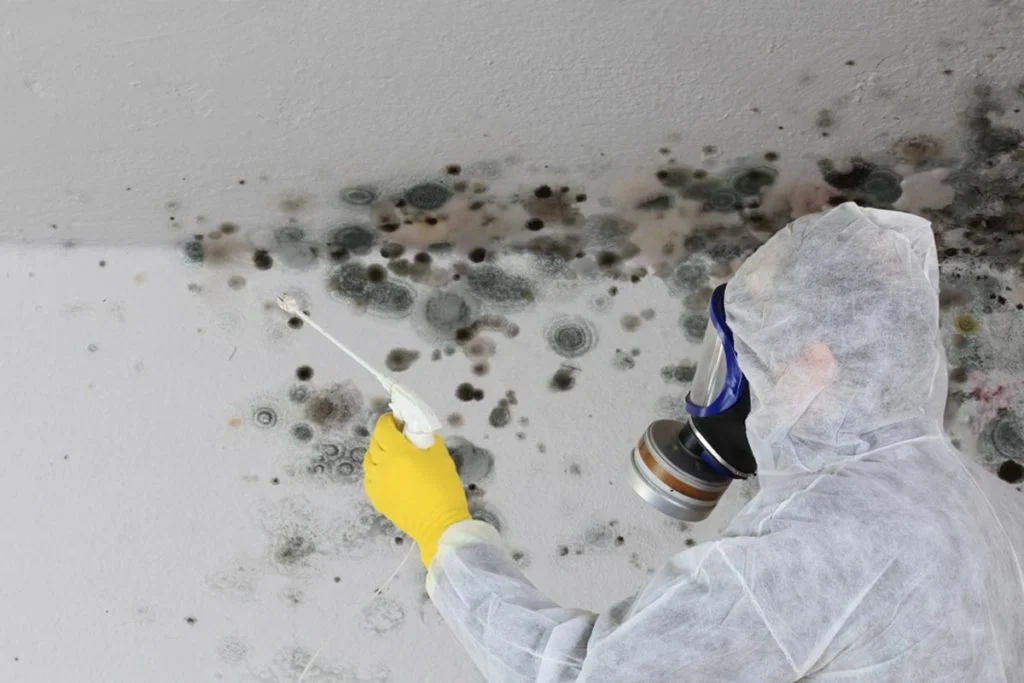
What a particle filter can and cannot establish
A purifier may capture some airborne particles that reach its filter, but its display does not identify every source in the room. Ask about filtration performance, room size and maintenance while keeping investigation of wet materials separate. A falling particle reading is not proof that a mould problem has been resolved.
Keep filtration separate from source treatment
An air purifier filters air that passes through it; it does not repair a wet wall or remove growth inside an affected material. Treat filtration as a possible supporting measure while the moisture source and contaminated surfaces are assessed.
Choose equipment for a defined purpose
Consider room size, airflow, the filter specification and ongoing replacement requirements. A device description or a sensor reading is not a building assessment. Ask what evidence supports the claim rather than relying on a mould-specific marketing label.
Maintain filters without spreading dust
Follow the device instructions for placement, filter replacement and disposal. Do not wash a filter unless the maker explicitly allows it. A damp or overdue filter needs attention according to the maintenance guidance.
Planning the next step in Sydney
Tell the Sydney team whether you own, manage or occupy the affected property and which spaces can be accessed. Share the condition of nearby walls and storage areas where relevant. Contents-care work may need a specialist cleaner separately from a building mould assessment.
Discuss your Sydney property
Tell us your suburb, the affected materials and whether there has been water damage. We can discuss an appropriate next step for building-related mould concerns.
Mould inspection · Mould cleaning · Mould remediation
Discuss your property ↗