
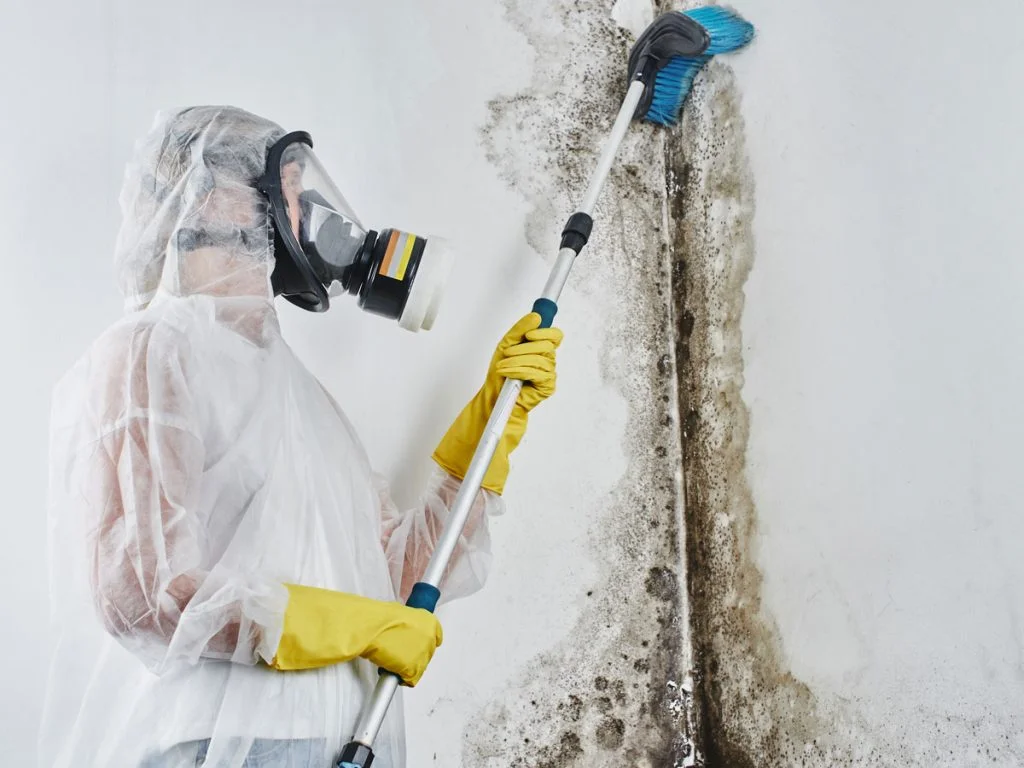
Do not begin by sanding the stain
Abrasive work can disturb an affected surface and an older coating. Identify the timber, finish and water history before considering restoration. Ask what cleaning and drying assessment should precede any sanding or refinishing, and whether damaged components need a separate repair decision.
Separate cleaning from refinishing
Removing contamination, repairing water damage and refinishing are different steps. A coating should not be used to hide a damp or deteriorating surface. Ask how material condition will be assessed and which parts of restoration are included.
Correct the conditions around the timber
Check water sources, ventilation and contact with damp floors or walls. Structural timber may need a building professional as well as mould assessment. A household item can need a furniture-restoration specialist instead of a building treatment.
Distinguish solid timber from composite board
Solid timber, veneer, MDF and particleboard respond differently to water. A swollen cabinet panel is not equivalent to sound sealed timber. Identify the material and any coating before deciding whether cleaning, drying, repair or replacement is appropriate.
Planning the next step in Sydney
When discussing the issue in Sydney, provide a short history rather than only the latest photograph. Note earlier treatment, source repairs and whether the problem returned in the same place. This helps distinguish a new moisture event from an unresolved condition.
Discuss your Sydney property
Tell us your suburb, the affected materials and whether there has been water damage. We can discuss an appropriate next step for building-related mould concerns.
Mould inspection · Mould cleaning · Mould remediation
Discuss your property ↗