
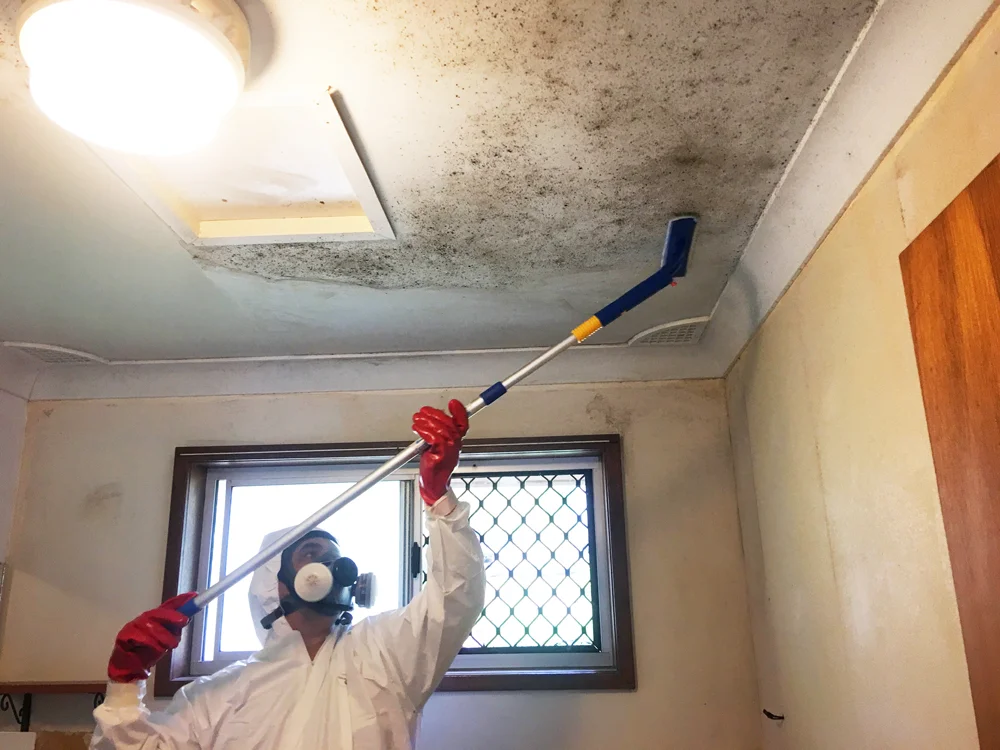
Inspect the horizontal ledge carefully
A sill can collect condensation, hold water beneath objects or be affected by a frame leak. Identify whether it is painted timber, stone, vinyl or another material. Photograph any lifting finish or swollen edge and check the wall beneath, without removing seals or altering drainage holes.
Identify frame and sill materials
Painted timber, aluminium, vinyl, plaster reveals and stone sills have different product tolerances. Inspect seals and the wall beneath the opening as well as the visible glass. Do not use an abrasive or acidic treatment without compatibility guidance.
Check drainage without altering the frame
Window tracks and drainage details should be inspected and maintained according to the maker. Do not drill new holes or remove seals to treat a damp corner. A window specialist can assess drainage and weatherproofing issues.
Keep nearby furnishings in the assessment
Curtains, blinds and furniture can conceal dampness near a window. Review accessible backs and adjoining wall corners. Record whether the same issue returns during colder weather or when curtains remain closed for long periods.
Planning the next step in Sydney
In a Sydney property, a leak and a cold damp corner may need different investigations even when the visible marks look similar. Keep dated photographs and explain when the issue changes. Local treatment planning should be based on those observations, not a suburb name alone.
Discuss your Sydney property
Tell us your suburb, the affected materials and whether there has been water damage. We can discuss an appropriate next step for building-related mould concerns.
Mould inspection · Mould cleaning · Mould remediation
Discuss your property ↗