
Compatibility comes before a visible test result
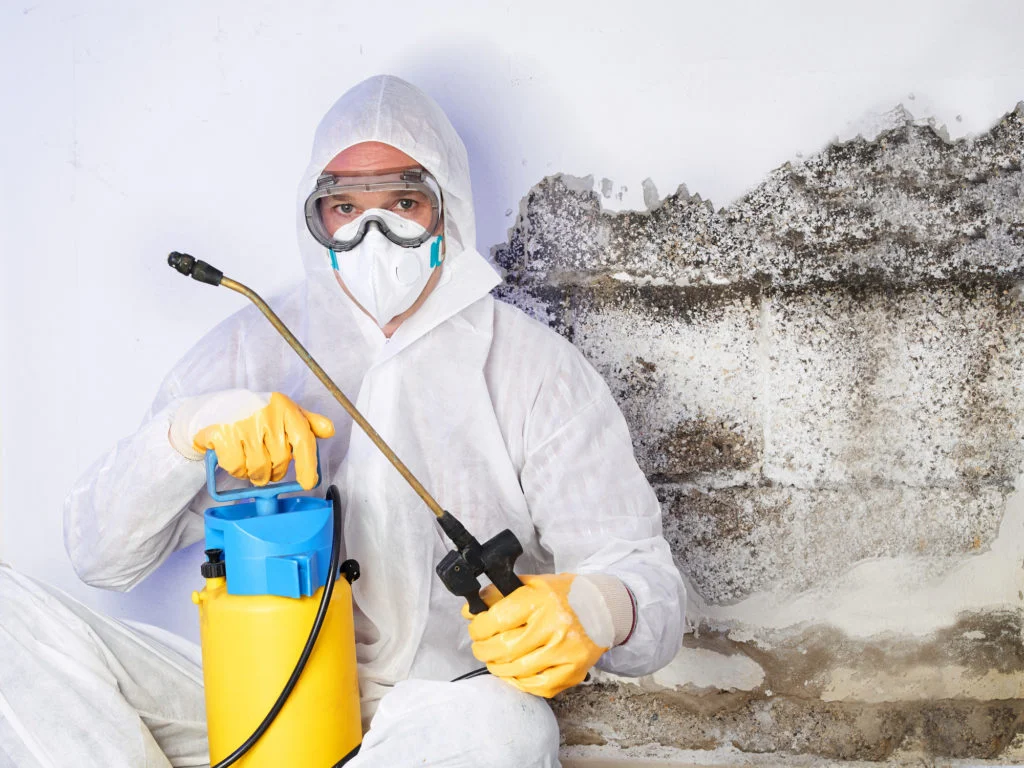
Identify whether the paint is washable and whether it is already lifting or powdering. Even a small treatment can affect sheen or colour. Follow coating and product guidance and avoid assuming that harder scrubbing protects the finish; a damaged substrate needs assessment before cosmetic preservation is prioritised.
Do not hide the evidence with paint
A fresh coating can cover staining while moisture remains in the wall. Arrange any necessary leak repairs and establish whether the material is dry and suitable to retain. Repainting should follow that assessment rather than replace it.
Consider furniture and air movement
Large furniture against a cool external wall can conceal a damp pocket. Review clearances and inspect adjacent belongings once access is appropriate. Air movement can help drying, but it cannot repair a leak or resolve saturated wall material.
Define the wall-cleaning scope
Specify the rooms, wall surfaces, adjacent skirting and any affected contents when requesting a quote. Ask what happens if damaged or concealed material is found. This avoids treating a small visible mark as a complete picture of the problem.
Planning the next step in Sydney
When discussing the issue in Sydney, provide a short history rather than only the latest photograph. Note earlier treatment, source repairs and whether the problem returned in the same place. This helps distinguish a new moisture event from an unresolved condition.
Discuss your Sydney property
Tell us your suburb, the affected materials and whether there has been water damage. We can discuss an appropriate next step for building-related mould concerns.
Mould inspection · Mould cleaning · Mould remediation
Discuss your property ↗