
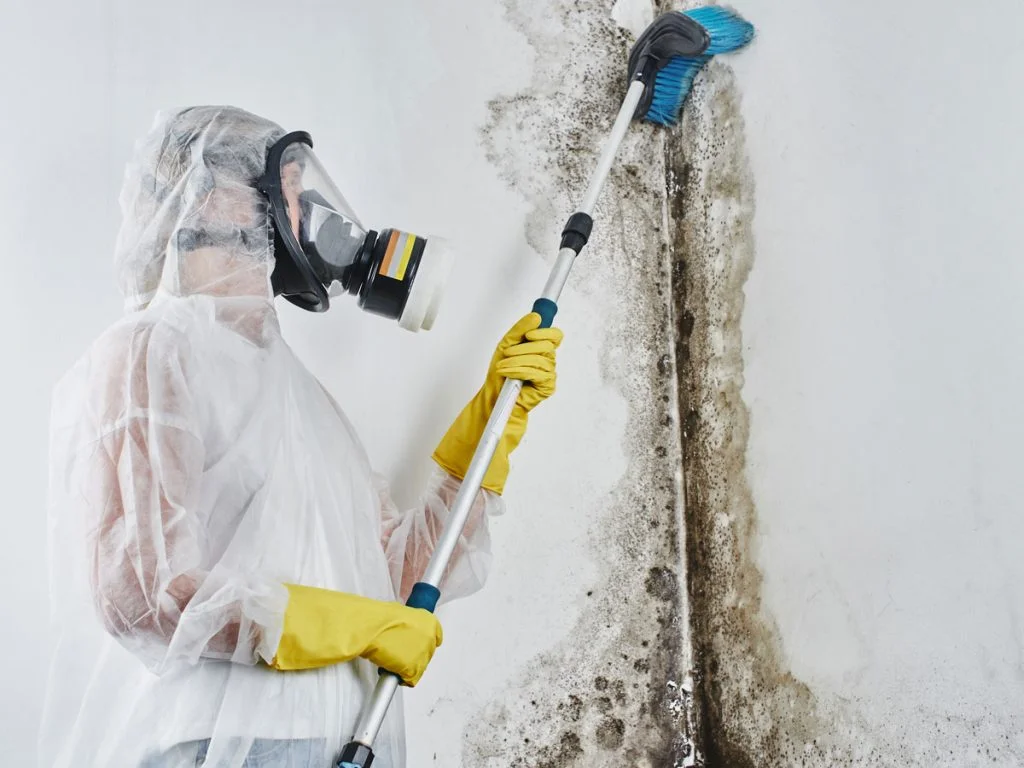
Make a wall-by-wall schedule
List the affected surfaces by room and note whether they are external, shared with a bathroom or concealed by furniture. Compare different coatings and any signs of material damage. A scheduled assessment can reveal whether the proposed cleaning and decorating work needs separate scopes.
Define the wall-cleaning scope
Specify the rooms, wall surfaces, adjacent skirting and any affected contents when requesting a quote. Ask what happens if damaged or concealed material is found. This avoids treating a small visible mark as a complete picture of the problem.
Look at the pattern on the wall
Growth behind a wardrobe, near an external corner or below plumbing can point towards different moisture conditions. Record the position and history before moving or cleaning affected belongings. The same visible colour does not establish the same cause.
Identify the finish and condition
Sound washable paint, wallpaper, bare plaster and damaged plasterboard need different treatment decisions. Flaking, softness, blistering or a persistent water mark may mean surface cleaning is only part of the work. Test compatibility only in accordance with the finish and product instructions.
Planning the next step in Sydney
When discussing the issue in Sydney, provide a short history rather than only the latest photograph. Note earlier treatment, source repairs and whether the problem returned in the same place. This helps distinguish a new moisture event from an unresolved condition.
Discuss your Sydney property
Tell us your suburb, the affected materials and whether there has been water damage. We can discuss an appropriate next step for building-related mould concerns.
Mould inspection · Mould cleaning · Mould remediation
Discuss your property ↗