
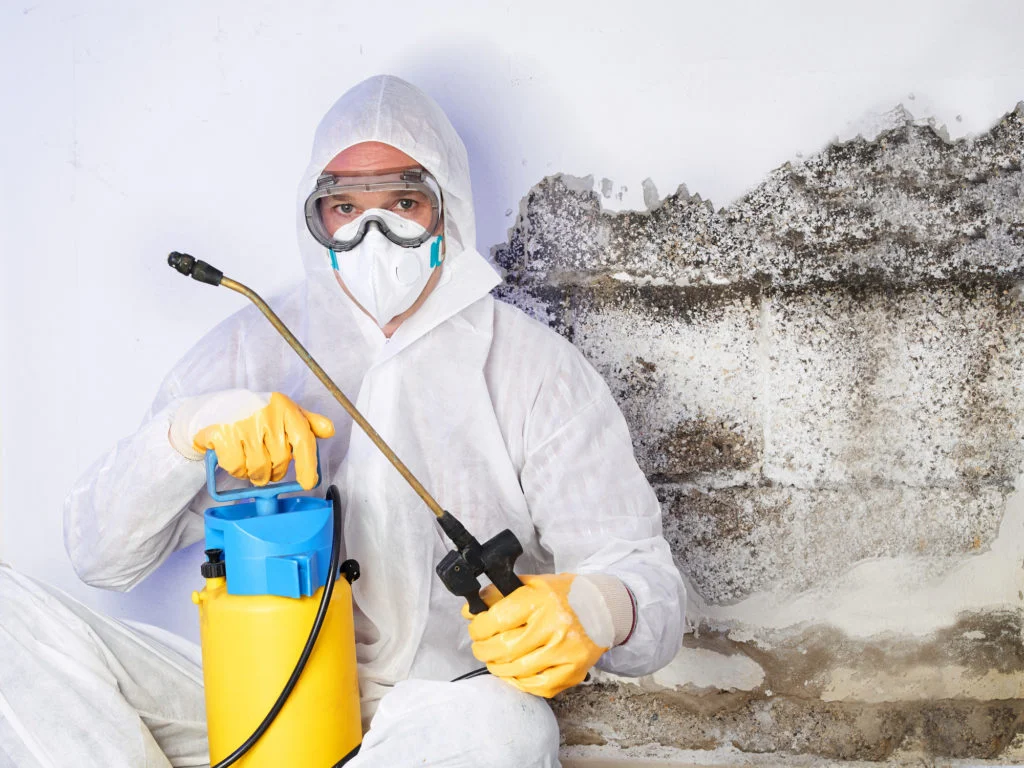
Separate wall finishes in the same room
A tiled splashback, painted wall and cabinet side panel may sit beside each other but tolerate different treatment. List the affected finishes and check for softness or swelling. Mention whether the marks extend beyond the wet zone, because that can change the assessment brief.
Identify the finish and condition
Sound washable paint, wallpaper, bare plaster and damaged plasterboard need different treatment decisions. Flaking, softness, blistering or a persistent water mark may mean surface cleaning is only part of the work. Test compatibility only in accordance with the finish and product instructions.
Do not hide the evidence with paint
A fresh coating can cover staining while moisture remains in the wall. Arrange any necessary leak repairs and establish whether the material is dry and suitable to retain. Repainting should follow that assessment rather than replace it.
Consider furniture and air movement
Large furniture against a cool external wall can conceal a damp pocket. Review clearances and inspect adjacent belongings once access is appropriate. Air movement can help drying, but it cannot repair a leak or resolve saturated wall material.
Planning the next step in Sydney
When discussing the issue in Sydney, provide a short history rather than only the latest photograph. Note earlier treatment, source repairs and whether the problem returned in the same place. This helps distinguish a new moisture event from an unresolved condition.
Discuss your Sydney property
Tell us your suburb, the affected materials and whether there has been water damage. We can discuss an appropriate next step for building-related mould concerns.
Mould inspection · Mould cleaning · Mould remediation
Discuss your property ↗