
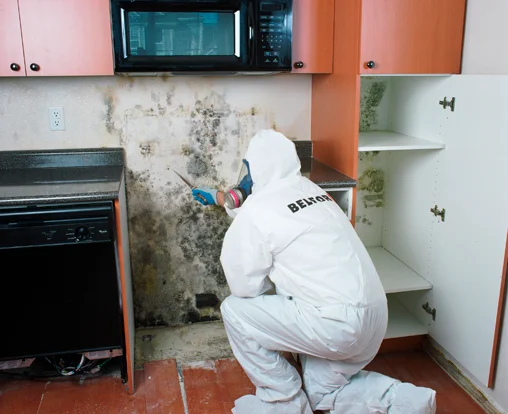
Check the proposed surface first
A sealed tile, a painted ceiling and a curtain backing are very different candidates for steam. Identify the material, finish and any water damage before deciding whether the machine belongs in the treatment plan. The priority is an appropriate method and drying outcome, not choosing equipment first.
Treat heat compatibility as the first question
Steam can affect paint, timber finishes, adhesives, sealants and coated fabric. A machine being available does not mean the material can tolerate it. Check the surface and equipment guidance before considering heat or moisture as a treatment.
Consider where the added moisture will go
A porous surface may retain water introduced during cleaning. That matters when the original problem already involves a damp material or poor drying. Discuss how the condition would be assessed and dried rather than focusing only on the temperature of the machine.
Separate visible improvement from verification
Removing a visible mark does not establish whether a concealed surface or material is affected. A steam pass cannot repair a leak or explain why the patch returned. Review the source and any damaged substrate as part of the plan.
Planning the next step in Sydney
In a Sydney property, a leak and a cold damp corner may need different investigations even when the visible marks look similar. Keep dated photographs and explain when the issue changes. Local treatment planning should be based on those observations, not a suburb name alone.
Discuss your Sydney property
Tell us your suburb, the affected materials and whether there has been water damage. We can discuss an appropriate next step for building-related mould concerns.
Mould inspection · Mould cleaning · Mould remediation
Discuss your property ↗