
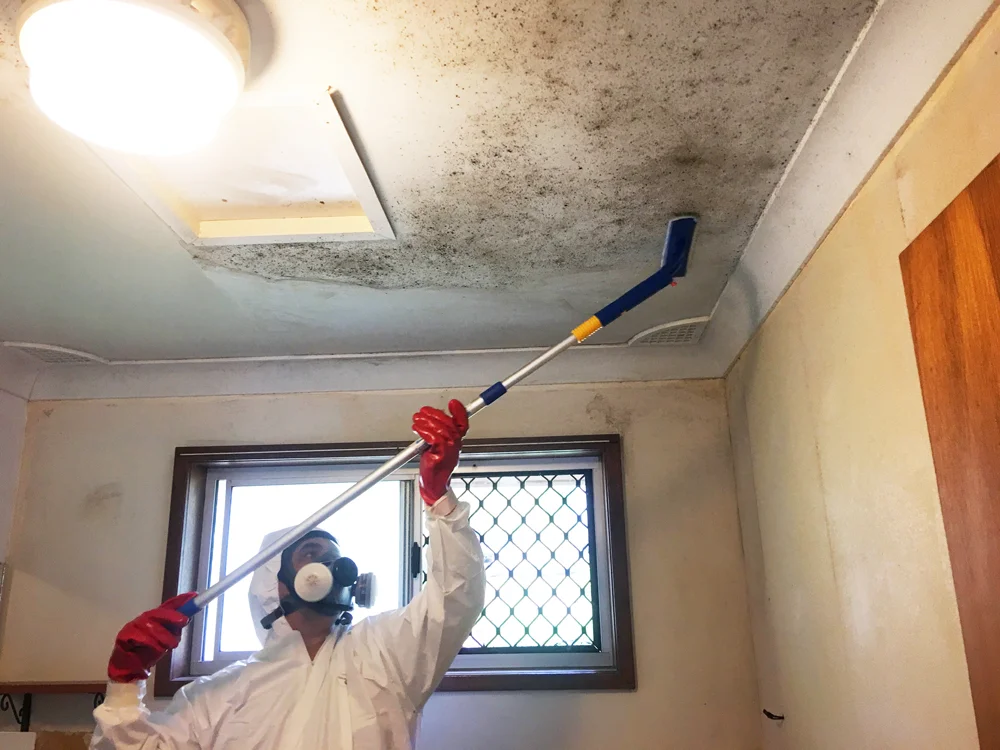
Agree the sequence and decision points
A useful remediation brief identifies affected materials, source repairs, preparation, cleaning or removal and follow-up. Ask how newly discovered damage will be communicated before the work changes. This creates a shared plan for occupants, the mould team and any separate building trades.
Start with the affected area and its history
Record the rooms, materials and timing of the problem. Photos, previous leaks and details of earlier cleaning can help explain what has changed. Do not disturb hidden materials merely to gather evidence for an initial enquiry.
Choose assessment before assuming a method
Cleaning a small accessible surface, investigating an odour and managing widespread water damage are different tasks. An inspection can help define what is known and what requires another building or moisture investigation.
Clarify cleaning, removal and repairs
Ask which materials can be treated, which may need replacement and whether source repairs are part of the quote. Plumbing, roofing, electrical or other building work may need an appropriately licensed contractor. Confirm access and occupancy arrangements before work.
Planning the next step in Sydney
In a Sydney property, a leak and a cold damp corner may need different investigations even when the visible marks look similar. Keep dated photographs and explain when the issue changes. Local treatment planning should be based on those observations, not a suburb name alone.
Discuss your Sydney property
Tell us your suburb, the affected materials and whether there has been water damage. We can discuss an appropriate next step for building-related mould concerns.
Mould inspection · Mould cleaning · Mould remediation
Discuss your property ↗